When you hear someone say they’re a “Starbucks person” or proudly wear a pair of “Nike’s,” it’s not just about the coffee or the shoes, it’s about identity. That’s the invisible power of brand awareness. It turns logos into cultural symbols, slogans into shared language, and products into habits that don’t require second thoughts.
But here’s the truth: brand awareness isn’t just for billion-dollar giants like Apple or Nike. Whether you’re a startup founder, a growing e-commerce business, or a service-based company, building brand awareness is what helps you stand out in crowded markets, attract loyal customers, and create staying power.
In this blog, we’ll explore:
- Why brand awareness matters for every business.
- Proven strategies to build it from the ground up.
- Real-world examples of brands that do it brilliantly.
- Ways to measure whether your efforts are working.
What is Brand Awareness?
Brand awareness refers to the extent to which consumers recognize and recall your brand. It’s the measure of how familiar people are with your name, logo, values, and products and how easily they can connect them to your business without prompting.
In simpler terms, it answers questions like:
- Do people know your brand exists?
- Do they recognize it among competitors?
- Do they associate it with specific qualities or feelings?
Brand awareness goes beyond surface-level recognition. It’s not just about someone seeing your logo; it’s about creating mental shortcuts. For example:
- When someone thinks of sports shoes, Nike or Adidas immediately comes to mind.
- When someone says, “search something online,” most people say, “Google it.”
- When someone craves a quick coffee, Starbucks often becomes the first thought.
This top-of-mind presence is the goal of brand awareness. It ensures that when a customer is ready to make a purchase, they don’t have to sift through options, they naturally gravitate toward the brand they know and trust.
Types of Brand Awareness
- Brand Recognition
This is when customers can identify your brand by visual or auditory cues like logos, colors, taglines, or jingles. For instance, the golden arches instantly remind people of McDonald’s. - Brand Recall
This goes a step further. It’s when consumers can name your brand without seeing any cues. For example, if asked to name a soda brand, “Coca-Cola” is often the first response. - Top-of-Mind Awareness
The ultimate level of awareness is when your brand becomes the default choice in its category. Think: Band-Aid for adhesive bandages, or Zoom for video calls.
Why It Matters
Strong brand awareness helps businesses:
- Build trust and credibility → People buy from brands they know.
- Drive preference → When faced with choices, customers lean toward the familiar.
- Encourage loyalty → Awareness is the first step toward building long-term emotional connection.
- Fuel word-of-mouth → People don’t just use well-known brands; they talk about them.
Why Brand Awareness Matters
In a world where consumers are bombarded with choices every second, brand awareness is what makes your business stand out, stay memorable, and ultimately become the go-to choice in your category.
1. It Builds Trust Before the Sale
Trust is the ultimate currency in marketing. Awareness creates that familiarity and lowers the barrier to purchase. Think about how you might try a new menu item at McDonald’s with no hesitation, but hesitate before buying the same thing from an unknown fast-food chain.
2. It Influences Buying Decisions
Even when two products are nearly identical, the brand with stronger awareness usually wins. Coca-Cola and Pepsi sell similar drinks, yet consumers will fiercely debate which one “feels better.” Awareness builds that preference.
3. It Drives Word-of-Mouth and Referrals
Awareness fuels organic growth. Brands like Uber and Zomato aren’t just services; they’re verbs. People say “Grab an Uber” or “Order on Zomato” because the brand has cemented itself in cultural conversation.
4. It Creates Emotional Loyalty
Great awareness evolves into emotional connection. Nike isn’t just about shoes; it’s about the “Just Do It” mindset. When people feel part of a bigger narrative, they’re less likely to switch even if competitors offer cheaper alternatives.
8 Proven Strategies to Build Brand Awareness
Strong brand awareness helps people recognize, trust, and choose your business over others. These eight strategies show practical ways to expand your reach, create recognition, and keep your brand at the top of your audience’s mind.
1. Define Your Brand Identity Clearly
Before you can be remembered, you need to decide what you want to be remembered for. Ask:
- What’s your mission?
- What values drive you?
- What personality do you want your brand to have?
- How should customers describe you to a friend?
Create a brand style guide that covers your tone of voice, logo use, colours, and messaging pillars. Consistency builds recognition.
2. Tell a Compelling Brand Story
People don’t connect with features; they connect with stories. Share why your brand exists and the problem you’re passionate about solving.
Example: Airbnb’s story of “belonging anywhere” runs through every touchpoint, their website, ads, and even the way hosts interact with guests.
Write a brand origin story and weave it into your marketing. Include it in your About page, your pitches, and your campaigns.
3. Leverage Content Marketing to Build Authority
Content isn’t just an SEO play; it’s how you become the go-to resource in your space. Blogs, videos, podcasts, infographics, and newsletters give people a reason to interact with you beyond transactions.
Example: HubSpot built its empire not by selling software directly, but by creating educational blogs and resources that marketers relied on. Now “HubSpot” and “inbound marketing” are inseparable.
Audit your audience’s questions and pain points. Create a content calendar with blog posts, videos, and guides that position your brand as an authority.
4. Use Social Media to Humanize Your Brand
Social platforms aren’t just billboards, they’re communities. Use them to show personality, build connections, and spark conversations.
Example: Duolingo’s TikTok strategy is a masterclass. The brand leans into humor and trends, making a language-learning app feel culturally relevant and fun.
Pick 2–3 platforms your audience actually uses. Post consistently, engage with followers, and don’t be afraid to show behind-the-scenes content or brand personality.
5. Partner with Influencers and Micro-Influencers
People trust people more than they trust ads. Partnering with influencers allows you to borrow credibility and reach new communities. Micro-influencers (1k–100k followers) often have niche, highly engaged audiences.
Example: Gymshark scaled from a garage startup to a billion-dollar brand largely through fitness influencer partnerships, building credibility and awareness without traditional ads.
Identify influencers who align with your values and audience. Aim for long-term partnerships rather than one-off posts to build authenticity.
6. Invest in Paid Campaigns Strategically
Paid media accelerates awareness when combined with organic efforts. Use paid ads to amplify your story, not just promotions.
Example: Slack’s early ads didn’t scream features, they emphasized how Slack would “make work less stressful.” That emotional angle drove awareness far more effectively.
Run awareness campaigns that highlight your brand values, story, or customer testimonials. Retarget those who engage to deepen recognition.
7. Focus on Customer Experience
Every interaction from your website navigation to packaging to customer service, reinforces brand memory. A great product is just the start; experience makes it unforgettable.
Example: Trader Joe’s isn’t just known for its products. Shoppers rave about quirky packaging, affordable prices, and friendly staff. The experience is the brand.
Audit your customer journey. Where can you add small, delightful touches that make you stand out?
8. Encourage and Amplify User-Generated Content
Customers love to share experiences. By spotlighting their content, you make them part of your story and show social proof.
Example: Starbucks seasonal cup campaigns often generate millions of organic social media posts, free brand awareness fueled by customer enthusiasm.
Create a branded hashtag, run contests, or encourage reviews. Repost customer stories to build community and authenticity.
Measuring Brand Awareness
Awareness can feel intangible, but you can track progress using these methods:
- Surveys and brand recall tests → Ask customers how they discovered you or whether they recognize your name.
- Social listening tools → Track mentions, hashtags, and brand sentiment.
- Search volume trends → Use Google Trends or analytics to see if people are searching your brand more often.
- Engagement metrics → Measure shares, comments, and reach on social platforms.
- Referral traffic → Monitor how many visitors come from word-of-mouth sources.
Brand Awareness Examples
Spotify – Wrapped as a Viral Tradition
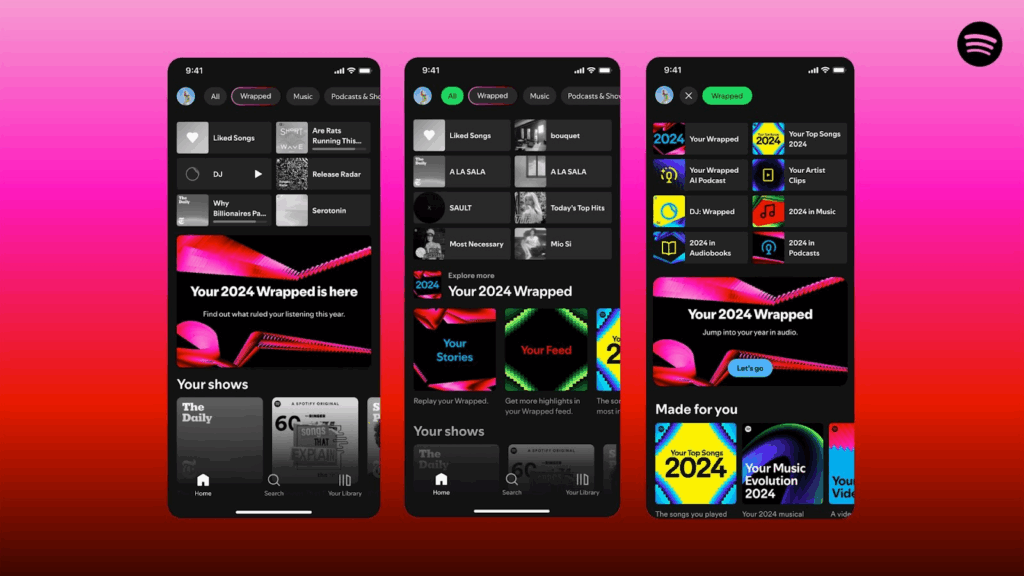
Plenty of music apps provide listening stats, but Spotify transformed its year-end data into a global viral campaign with Spotify Wrapped. Each December, users get personalized playlists and shareable graphics summarizing their listening habits, and social media lights up with people comparing theirs.
Spotify turned user data into a celebration, making the audience part of the brand story. Wrapped isn’t just marketing; it’s an anticipated cultural event that cements Spotify in users’ lives and conversations, long after the campaign ends.
Starbucks – The Seasonal Hype Machine
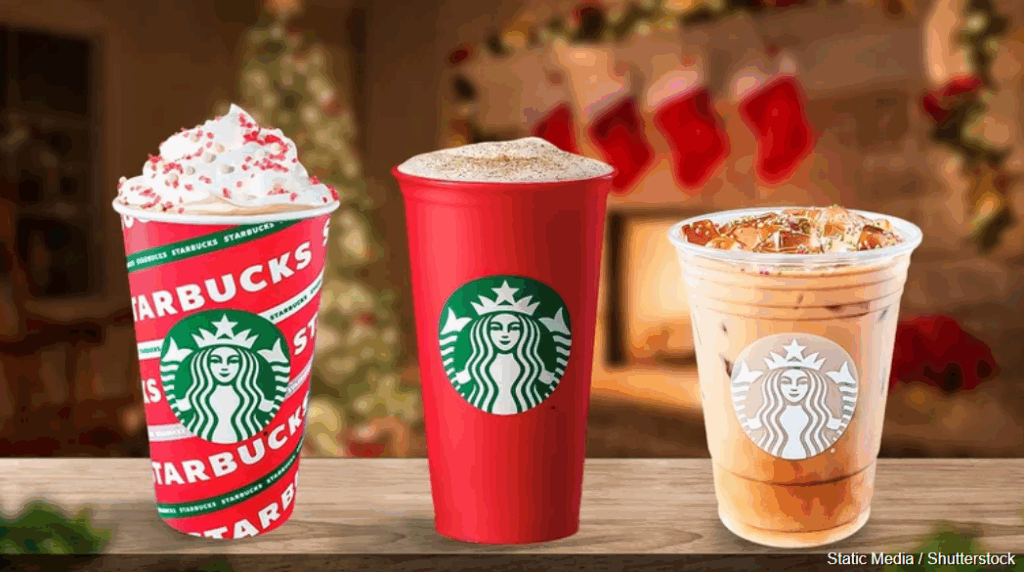
Many coffee chains release seasonal drinks, but none generate the buzz like Starbucks with its Pumpkin Spice Latte. Each year, the release of the PSL feels less like a menu update and more like a cultural event. Customers anticipate it, post about it, and even meme it into relevance.
Starbucks doesn’t just sell coffee, it sells the feeling of seasonal change and nostalgia. By owning that cultural moment every year, Starbucks reinforces its brand presence and ensures customers actively look forward to engaging with it.
Amazon – Prime Day as a Global Event
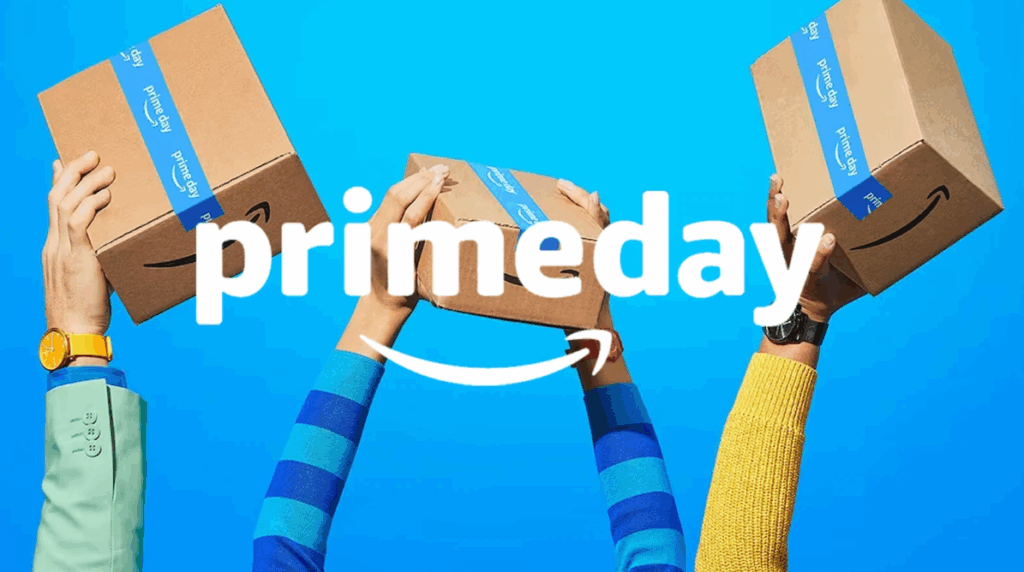
Sales and discounts are everywhere, but Amazon’s Prime Day feels like a holiday. What started as a membership perk has turned into a global shopping event, with customers waiting eagerly for deals and competitors scrambling to keep up.
Amazon created its own shopping holiday, ensuring the brand dominates retail conversations every year. It’s not just about sales; it’s about cementing Amazon as the go-to shopping destination.
Apple – Mastering the Art of Anticipation
We all know companies release new gadgets all the time, but Apple has made its product announcements feel like events everyone wants to watch. Each year, Apple holds its keynote to show off new iPhones, MacBooks, and other devices and it’s about much more than just the specifications.
Even when the product updates are small, Apple knows how to build excitement. Teasers, leaks, countdowns, and even the stage setup all make people look forward to the event. Millions watch around the world, and the buzz spreads across news, social media, and everyday conversations.
This strategy keeps Apple at the top of people’s minds. When it’s time to buy a new phone or laptop, Apple doesn’t just compete on features people already feel excited and connected to the brand.
Tools to Measure Brand Awareness
Measuring brand awareness effectively often requires using the right digital tools. These tools can track recognition, engagement, social conversations, and overall visibility. Here’s a breakdown of some of the most effective ones in 2025:
1. Google Analytics
Google Analytics tracks website traffic and user behavior to see how many people are visiting your site and where they’re coming from.
- Use for: Branded search traffic, direct visits, referral sources.
- Benefit: Helps you understand how brand awareness translates into website interest.
2. Google Trends
Trends shows how often people search for your brand (or competitors) over time.
- Use for: Tracking search volume trends and seasonal spikes in interest.
- Benefit: Helps identify if campaigns are driving more people to look for your brand.
3. Hootsuite
Hootsuite is a social media management tool that lets you schedule posts, track brand mentions, and monitor hashtags across multiple platforms.
- Use for: Tracking how often your brand is discussed online.
- Benefit: Helps you measure reach and engagement while keeping all social activity in one dashboard.
4. Brandwatch
Brandwatch is an advanced social listening tool that analyzes online conversations about your brand across social media, blogs, news, and forums.
- Use for: Monitoring brand mentions, sentiment, and influencer impact.
- Benefit: Gives you a clear picture of where your brand is being talked about and how people feel about it.
5. SurveyMonkey
SurveyMonkey allows you to create custom surveys to measure brand recall, recognition, and customer perception.
- Use for: Running brand recall surveys, measuring NPS (Net Promoter Score), and gathering audience feedback.
- Benefit: Provides both qualitative and quantitative insights into how well people know and trust your brand.
6. SEMrush
SEMrush is an SEO and analytics platform that tracks branded keywords, backlinks, and competitor performance.
- Use for: Measuring your brand’s online visibility and monitoring how often people search for you compared to competitors.
- Benefit: Helps you understand your digital footprint and where you stand in the marke
7. BuzzSumo
BuzzSumo is a content analytics tool to see which of your content is shared the most and which topics generate the most engagement.
- Use for: Tracking viral campaigns, mentions, and content reach.
- Benefit: Helps measure which types of content boost awareness most effectively.
8. Google Alerts
Google Alerts is a free tool that notifies you whenever your brand is mentioned online.
- Use for: Keeping track of brand mentions across news sites, blogs, and forums.
- Benefit: Simple, easy way to monitor visibility without investing in complex software.
For the best results, combine tools that cover social listening, website analytics, and direct surveys. This gives a complete picture of how people are discovering, discussing, and engaging with your brand.
Final Takeaway
Brand awareness is the foundation of sustainable marketing. Without it, even the best products risk getting lost in the noise. With it, you’re no longer just selling; you’re embedding yourself into people’s daily lives, shaping identity, and sparking conversations.
Building awareness takes time, consistency, and creativity. Start with clarity about who you are, share your story widely, use every channel strategically, and never underestimate the power of small but memorable experiences.
At DigiXL Media, we help brands cut through the clutter and stay top of mind with the right strategies. Want to learn more? Reach out to us and let’s grow your brand together.
Don’t forget to follow us on LinkedIn, X, and Facebook for daily insights on scaling your brand’s digital presence and maximizing long-term ROI.