In the age of noisy feeds and fleeting attention spans, having millions of followers doesn’t guarantee influence. Many brands are beginning to recognize the value of smaller creators who connect more meaningfully with their audiences. In 2025, micro-influencers have proven to be a powerful way to build trust, spark genuine engagement, and see a stronger return on marketing efforts.
This guide takes a closer look at why micro-influencers matter more than ever and how brands can build meaningful, effective partnerships with them in the way people actually connect online today.
What Are Micro-Influencers?
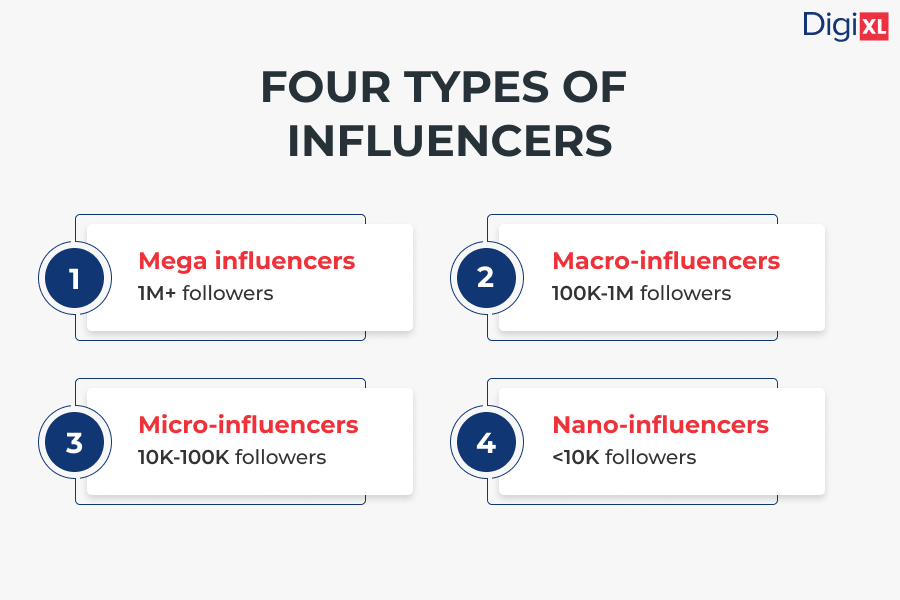
Micro-influencers are social media personalities with between 10,000 to 100,000 followers. Unlike macro-influencers or celebrities, micro-influencers tend to operate within niche communities. These might include beauty, fitness, sustainable fashion, parenting, finance, mental wellness, or food blogging.
The power of micro-influencers lies in their ability to create a more personal and trustworthy connection with their audience. Their followers often see them as peers or trusted advisors rather than paid promoters. This relationship drives higher levels of interaction, trust, and ultimately, conversion.
For brands looking to strengthen their overall social media presence, working with micro-influencers can be a powerful strategy that combines reach with authenticity.
Why Micro-Influencer Marketing is Booming in 2025
In 2025, the marketing world is being reshaped by changing consumer behavior, platform dynamics, and economic pressures. Micro-influencers have emerged as one of the most effective channels for authentic engagement and measurable ROI. Here’s why they’ve become indispensable to modern social media marketing strategies:
1. Content Fatigue and Demand for Authenticity
Audiences are increasingly disengaging from overproduced, scripted content. Today’s consumers crave real, relatable voices and micro-influencers deliver just that. Their unfiltered storytelling and everyday experiences resonate more than polished brand ads, making them powerful allies in building trust.
2. Rise of Community-Driven Growth
Micro-influencers thrive within tight-knit niche communities. Brands that leverage them aren’t just marketing products, they’re building ecosystems of loyal followers. This community-first approach leads to deeper engagement and long-term brand affinity.
3. Seamless Social Commerce Integration
Platforms like Instagram, TikTok, and YouTube have evolved into robust shopping destinations. With native checkout options, product tagging, and affiliate tools, micro-influencers can now guide their followers from discovery to purchase all within a single scroll.
4. Favourable Algorithm Dynamics
Social algorithms in 2025 prioritize meaningful interactions over mass reach. Because micro-influencers consistently generate high engagement rates, their content is more likely to be boosted organically, giving brands more visibility without additional ad spend.
5. Budget-Friendly with High ROI
Amid tighter marketing budgets, efficiency is key. Micro-influencer partnerships are not only cost-effective but often outperform traditional campaigns in engagement and conversions. They offer the perfect balance of reach, trust, and affordability especially when compared to macro-influencers or celebrities.
How Micro-Influencers Drive Meaningful ROI
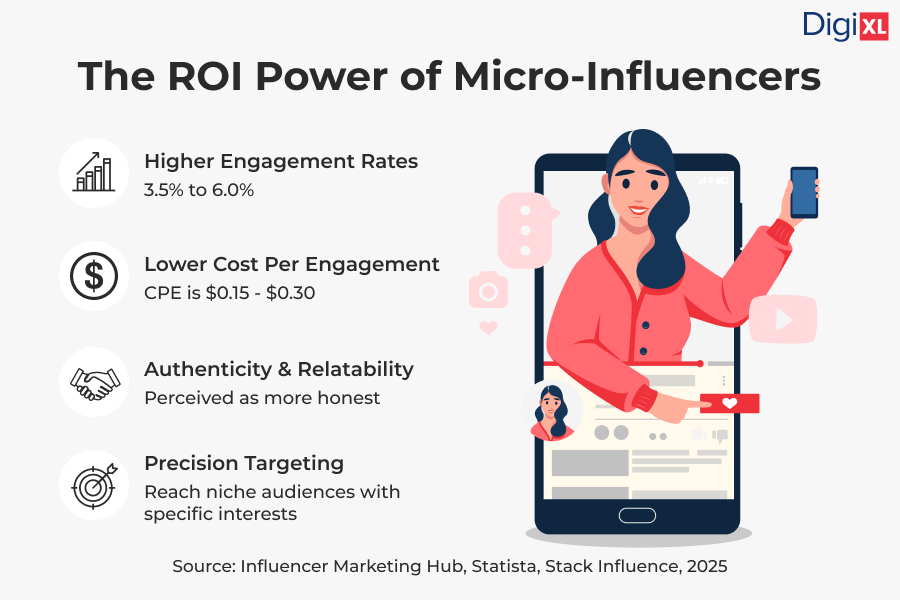
Return on investment (ROI) is the ultimate benchmark for any marketing effort, and when it comes to influencer partnerships, micro-influencers continue to deliver exceptional results. In 2025, they’re not just cost-effective, they’re conversion-effective. Here’s a breakdown of why micro-influencers consistently outperform their higher-profile counterparts across key ROI metrics:
1. Higher Engagement Rates
According to Statista, nano-influencers with 1,000 to 10,000 followers account for 76.86% of all Instagram influencer profiles, making them the dominant segment on the platform. Micro-influencers come in second, representing 18.23% of influencer accounts, further reinforcing the rise of smaller, niche-driven creators in 2025.
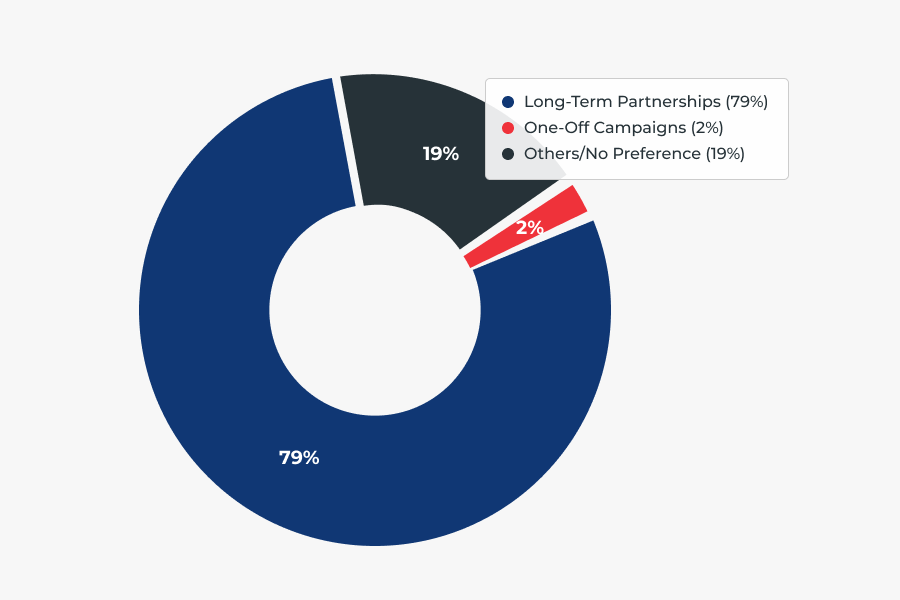
79% of creators prefer long-term partnerships with brands, versus very few who favor one-time deals. Long-term collaborations offer stability and authenticity that one-off posts often lack.
This engagement includes likes, shares, saves, comments, and direct messages, actions that signal trust and interest. Why does this matter? Because high engagement leads to deeper awareness, stronger consideration, and more conversions.
2. Lower Cost Per Engagement (CPE)
From a budgeting perspective, micro-influencers offer much more value per dollar spent. Instead of investing heavily in a single celebrity influencer, brands can work with 10 or 20 micro-influencers, reaching highly targeted audiences with lower cost per impression (CPM) and cost per engagement (CPE).
Industry benchmarks show just how efficient micro-influencer marketing can be across different niches:
- Fashion & Beauty: Average ROI of 350% with a typical CPE around $0.15
- Tech & Gaming: Average ROI of 280%, with CPE averaging $0.25
- Health & Fitness: Highest ROI at 400%, with a CPE of approximately $0.18
- Food & Cooking: Average ROI of 320% and CPE at $0.20
- Lifestyle & Travel: Average ROI of 300%, with CPE near $0.22
These numbers highlight how micro-influencers combine reach, engagement, and cost-efficiency making them a smart, scalable choice for brands aiming to maximize marketing ROI.
Not only does this approach stretch marketing dollars, but it also allows brands to test different content styles, audiences, and messaging, optimizing based on performance data.
3. Authenticity and Relatability
Micro-influencers are known for their unscripted, transparent content. Unlike celebrity endorsements that can feel transactional, micro-influencers often approach collaborations as personal product recommendations, which makes their promotions more believable and effective.
Audiences value this authenticity. They know the influencer personally uses the product, answers questions in comments, and shares honest reviews, even the negatives when necessary. This builds consumer trust, a key driver in conversion.
4. Precision Targeting
Micro-influencers often focus on very specific niches, whether it’s budget travel, gluten-free baking, minimalist interior design, or plant-based nutrition. This allows brands to reach hyper-relevant audiences with minimal waste.
Instead of casting a wide net, you’re getting direct access to a concentrated group of highly interested potential customers.
In summary, micro-influencers are not just affordable, they’re efficient, strategic, and results-driven. With higher engagement, lower acquisition costs, and stronger brand alignment, they offer one of the most powerful ROIs in today’s marketing landscape.
How to Find the Right Micro-Influencers
The success of a micro-influencer campaign hinges on finding creators who align with your brand’s voice, values, and audience. It’s not just about who has the most followers, it’s about who has the most meaningful influence in your niche. Here’s how to identify the right partners:
1. Use Influencer Discovery Tools
In 2025, influencer discovery platforms have become more advanced, offering AI-powered search and real-time performance data. Tools like Buzzsumo, Upfluence, Traackr, and SocialLadder allow marketers to:
- Filter creators by location, niche, platform, and engagement rate
- View historical campaign performance and audience demographics
- Analyze follower authenticity and audience overlap
- Export influencer lists for comparison and outreach
These platforms streamline the discovery process and minimize the risks of collaborating with poorly matched or inauthentic influencers.
Pro Tip: Use tools with built-in fraud detection to avoid accounts with fake engagement or purchased followers.
2. Check Engagement Metrics
Don’t let vanity metrics fool you, a large follower count doesn’t guarantee results. Instead, evaluate the depth of interaction the influencer generates. Key metrics to assess include:
- Engagement Rate (likes + comments / followers)
- Comment Quality (Are comments meaningful or spammy?)
- Save and Share Counts (Especially on Instagram and TikTok)
- Response Activity (Does the influencer reply to comments or DMs?)
- Sentiment Analysis (Tone of audience interactions)
Look for consistency across posts and genuine community involvement. Influencers who spark real conversations tend to perform better for brands.
How to Calculate Your Instagram Engagement Rate
To calculate your Instagram engagement rate, you’ll need two key metrics:
- Total Interactions (likes, comments, shares, saves, etc.)
- Total Followers
Your follower count is visible on your profile, but here’s how to find total interactions:
- Go to your Instagram Insights (available on professional accounts).
- Select the date range you want to measure.
- Under the Overview, tap on Interactions.
- Scroll to the “By Interaction” section and total up all engagement actions on your posts (you can include Story interactions if you’d like a more comprehensive view).
Once you have both numbers, use this formula:
Use this simple formula: (Total Interactions ÷ Total Followers) × 100.
Or skip the math and use tools like Later or Iconosquare to track it automatically.
3. Analyze Content Style
Every influencer has a unique tone and content aesthetic. Your job is to find creators whose content style complements your brand personality. Consider:
- Is their content more polished, playful, minimalist, or educational?
- Do they create original reels, carousels, or long-form video content?
- Do they use storytelling effectively, or is the content more transactional?
- Would your product naturally fit into their content without feeling forced?
4. Review Audience Demographics
Before finalizing any collaboration, request a media kit or audience insights report. Key data to evaluate includes:
- Age Range: Does the influencer’s audience match your brand’s target age group?
- Gender Breakdown: Is the gender distribution aligned with your ideal customer profile?
- Location: Are their followers concentrated in the regions you want to reach local, national, or international?
- Languages Spoken: Crucial if you’re targeting multilingual or regional markets.
- Interests & Affinities: Do their followers engage with topics related to your niche or industry?
Many platforms also offer a “brand affinity” metric, revealing which brands the audience already follows. This can help you gauge compatibility and conversion potential.
5. Confirm Authenticity
In an era of AI-generated personas and fake engagement bots, authenticity is non-negotiable. Here’s what to look for:
- Consistent posting habits over time
- Comments that show familiarity with the influencer’s life or values
- Transparent disclosures of brand partnerships
- Natural integration of products not hard sells
- Honest reviews, including pros and cons
You can also analyze past partnerships to see how their audience responded look for real conversations, not just emoji reactions.
Red flag: Influencers with a high follower count but no real comment interaction or excessive brand tagging may indicate inauthentic behavior.
By following this structured approach, you ensure your brand aligns with influencers who not only represent your values but also inspire action within their community. The right micro-influencer isn’t the loudest voice; it’s the most trusted one in your niche.
Crafting a Micro-Influencer Campaign: Step-by-Step Guide
Micro-influencers can deliver powerful results when partnered with the right strategy. Here’s a breakdown of how to create an effective campaign from start to finish:
1. Define Your Goals
Before reaching out to influencers, clearly outline what you want to achieve, whether it’s increasing brand visibility, boosting engagement, or driving conversions. Your goals will guide the entire campaign, from platform selection to performance metrics.
2. Identify the Right Platform
Choose a platform where your target audience is most active. For example, Instagram is ideal for visual storytelling, TikTok works well for short-form trends, and YouTube is great for in-depth product content. Don’t spread yourself thin, focus on where your message will resonate most.
3. Create an Influencer Brief
A strong brief sets the foundation for a successful collaboration. Include campaign objectives, content guidelines, timelines, required deliverables, and brand tone. Clear communication upfront ensures the influencer delivers aligned, on-brand content.
4. Offer Flexible Compensation
Compensation doesn’t always have to mean cash. Depending on the influencer’s audience size and engagement, you can offer payment, free products, commission via affiliate links, or a mix. Tailor your offer to keep it mutually beneficial and sustainable.
5. Track and Measure
Use tools like UTM codes, platform analytics, and influencer reports to track campaign performance. Monitor key metrics like reach, engagement, clicks, and conversions to evaluate ROI and understand what’s working and what’s not.
6. Follow Up
After the campaign, conduct a proper debrief with your team and the influencer. Review performance, gather feedback, and note what content resonated best. These insights will help you refine your approach for future collaborations and build long-term relationships.
Best Platforms for Micro-Influencer Marketing in 2025
- Instagram: Ideal for fashion, beauty, lifestyle, and wellness.
- TikTok: Best for short-form video, Gen Z audiences, and viral content.
- YouTube: Effective for tutorials, deep dives, and storytelling.
- Pinterest: Popular for DIY, fashion, home, and planning content.
- LinkedIn: Growing space for B2B influencers and niche expertise.
Avoiding Common Mistakes
- Ignoring micro-influencer fit with your brand values.
- Over-controlling content and limiting creative freedom.
- Failing to disclose partnerships properly.
- Not repurposing influencer content for other channels.
- Misjudging influencer authenticity based on vanity metrics.
Measuring Campaign Success
- Engagement Rate: Higher engagement means stronger resonance.
- Click-Through Rate: UTM links and bit.ly can help track.
- Conversions: Measure coupon code redemptions or landing page activity.
- Earned Media Value: Calculate organic exposure vs ad spend.
- Content Reach and Shares: Assess how far the campaign traveled.
Building Long-Term Influencer Partnerships
- Build ambassador programs for repeated exposure.
- Offer early access to launches or exclusive collaborations.
- Include influencers in feedback loops for product development.
- Celebrate their milestones and content wins.
Micro vs. Nano: The Rise of Smaller-Scale Influence
While micro-influencers (1,000–100,000 followers) remain the sweet spot for scalable engagement, there’s another rising force in 2025: nano-influencers—creators with fewer than 1,000 followers.
These ultra-niche voices carry exceptionally high trust within their tight-knit communities. Though their reach is limited, their impact can be surprisingly powerful—especially for hyperlocal campaigns, community-driven initiatives, and grassroots brand-building.
They’re not replacing micro-influencers, but complementing them—especially in strategies where authenticity, agility, and budget efficiency matter most.
Social Proof and User-Generated Content (UGC)
Consumers today are increasingly gravitating towards content that feels more personal and relatable. This is where user-generated content, especially from micro-influencers, plays a powerful role. It creates a layer of social proof that builds trust and drives conversions.
Micro-influencer UGC is not just engaging, it is also incredibly versatile across different marketing touchpoints. On product pages, it adds real-life context and visual credibility. When shared on social media, it helps brands feel more human and connected to their audience. In email campaigns, UGC often leads to higher open rates and stronger click-through performance. And when used in ad creatives, content from real people consistently outperforms polished branded assets.
In a content-saturated world, authenticity stands out. UGC from trusted creators offers exactly that, it gives your audience a reason to believe, engage, and buy.
- Product Pages: Adds visual credibility.
- Social Posts: Builds community trust.
- Email Campaigns: Increases open and click-through rates.
- Ad Creatives: UGC ads typically outperform branded content.
Brands like Fenty Beauty and The Ordinary built their success by integrating real people’s content into their campaigns, boosting authenticity and trust.
The Impact of AI and Automation in Influencer Marketing
Artificial intelligence is reshaping the way brands discover, evaluate, and collaborate with micro-influencers. What once took hours of manual research can now be done in minutes with the help of intelligent algorithms and automated workflows. AI is transforming how brands identify, track, and engage micro-influencers:
- Influencer Matching Algorithms: AI tools can now match brand goals with influencer performance metrics across platforms.
- Automated Reporting: Platforms offer real-time dashboards for impressions, clicks, and conversions.
- Content Optimization: AI suggests when to post and how to structure content for better performance.
Tools like CreatorIQ and Upfluence use machine learning to help marketers make smarter, faster decisions.
According to Influencer Marketing Hub, in 2025, 60.2% of marketers reported actively using AI for influencer identification and campaign optimization. This adoption rate is closely aligned with last year’s 63% who had planned to implement AI or machine learning, indicating that AI has officially entered the marketing mainstream. However, the data also suggests a plateau in growth. While 22.4% reported extensive AI usage, a larger portion, 37.8% said they use it in a limited capacity. This gap points to significant untapped potential and underscores the opportunity for brands to integrate AI more deeply into their influencer marketing workflows.
Conclusion
Micro-influencers have quietly become one of the most powerful tools in modern marketing, not simply because they have reach, but because their audiences genuinely trust them. They bring something that’s often missing in traditional campaigns: real connection, trust, and a sense of community.
If your brand is focused on long-term growth and building meaningful relationships, partnering with micro-influencers isn’t just a smart move, it’s the right one.
And if you’re unsure where to begin, we’re here to help. At DigiXL Media, we help brands build ROI-driven influencer campaigns grounded in authenticity.
Let’s build something that lasts, together. Ready to partner with creators your audience already trusts? Let’s talk about your strategy!