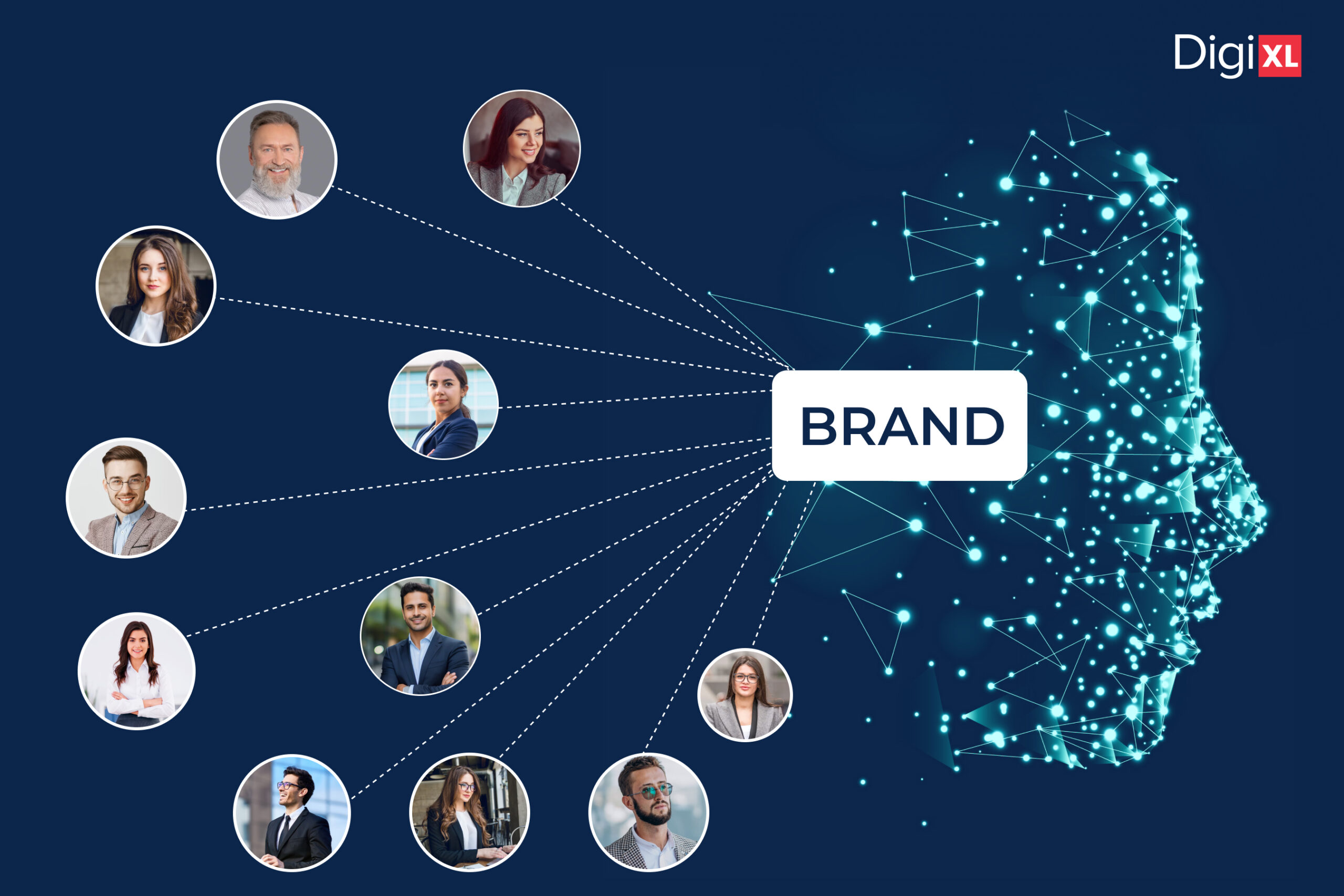
75% of consumers only buy from brands they trust. Brand Perception has always been a powerful driver of consumer behavior, but the way it’s shaped today is fundamentally different from what it was even five years ago. Previously, marketers relied on ads, packaging, brand campaigns, celebrity endorsements, and controlled messaging to shape the way people saw their brand. Today, brands do not fully control perception anymore. The audience does.
Every review, every Story mention, every comment, every DM, every micro-experience contributes to the perception people form about you. And because feedback spreads through social media at lightning speed, perception is no longer a slow build. It can shift in hours. It can strengthen in seconds. It can break in a single viral post.
Understanding how brand perception works and, more importantly, how to measure and strengthen it, is one of the most valuable skills modern marketers can develop. This long-form guide breaks it all down with depth, real examples, psychology, frameworks, and AI-driven strategies.
What is Brand Perception?
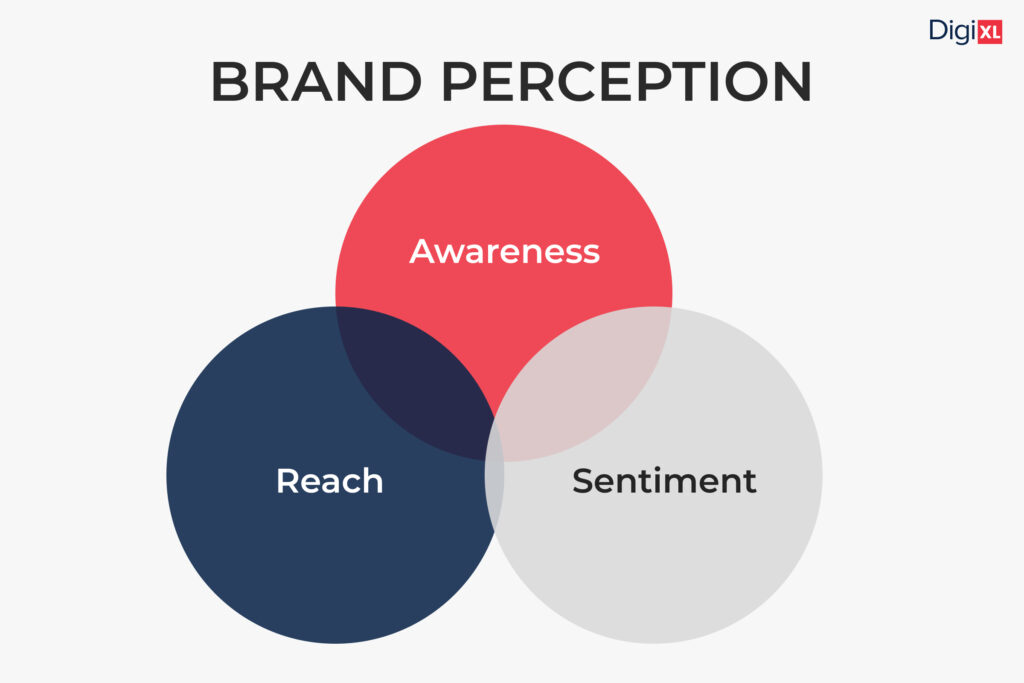
Brand perception is the collective belief, feeling, and impression people have about your brand, whether they’ve purchased from you or not. It’s not just shaped by your visual identity or your marketing messages. It’s shaped by experiences, conversations, stories, and community influence.
Brand perception is built through:
- The way people talk about you
- The way they experience your product
- The emotions your content triggers
- The values they associate with you
- Reviews, comments, and customer conversations
- Your customer service tone
- Your packaging, pricing, and commitments
- Even the kind of creators who talk about you
Brand perception is not a branding exercise. It’s a lived reality in the customer’s mind.
Strong brand perception doesn’t mean people think you’re perfect. It means they trust you, believe you, and choose you even when alternatives exist.
Why Brand Perception is a Business Growth Engine
Brand perception is more than a marketing concept. It is a measurable business asset that influences how easily you acquire customers, how much they’re willing to pay, how long they stay with you, and how widely they recommend you. A strong perception elevates your brand from being just another option to being the preferred choice even in saturated markets.
Here’s how it impacts key business outcomes:
1. Sales: People Buy Brands They Trust
Trust is the biggest purchase driver today. When consumers believe a brand is reliable, honest, and consistently delivers value, they buy faster and with less hesitation. Strong perception reduces friction in the buying journey.
2. Pricing Power: Perception Allows Premium Pricing
When a brand is perceived as high-quality or aspirational, customers are willing to pay more for the same functional benefit. This is why two similar products can exist in the market at dramatically different price points: perception, not features, drives margin.
3. Customer Acquisition Cost (CAC): Better Perception, Lower Spend
A trusted brand requires fewer ads, fewer remarketing cycles, and less persuasion. Strong perception means your audience already enters the funnel warm, which directly reduces your acquisition costs.
4. Retention: Positive Perception Fuels Long-Term Loyalty
When customers feel good about a brand, they’re more likely to stay, repurchase, and try new offerings. Perception builds emotional stickiness, the kind that keeps people from switching even when competitors offer discounts.
5. Word-of-Mouth: The Strongest Perception Multiplier
People love sharing brands they believe in. A positive perception amplifies organically through conversations, reviews, and user-generated content. Word-of-mouth is not just free marketing; it’s the most credible form of it.
6. Competitive Edge: Perception Differentiates You
In categories where products look similar, perception becomes your biggest differentiator. A strong brand identity helps you stand out, stay memorable, and hold your position against new entrants.
7. Market Expansion: Strong Brands Grow More Easily
Brands with positive perception can enter new categories, launch new products, or expand into new segments without resistance. Customers are more open to trying new offerings when they already trust the brand behind them.
Brand perception directly influences:
- Discovery
- Consideration
- Purchase
- Loyalty
- Advocacy
Brands with strong perception don’t have to be flashy. They don’t have to discount heavily. They don’t need to spend aggressively to be remembered.
People remember them because the perception is embedded in culture, conversation, and experience.
How People Form Brand Perceptions: The Multi-Layered Psychology
Consumers form brand perceptions subconsciously. It doesn’t happen through rational filtering. It happens through sensory, emotional, psychological, and social triggers.
Let’s break down the underlying layers.
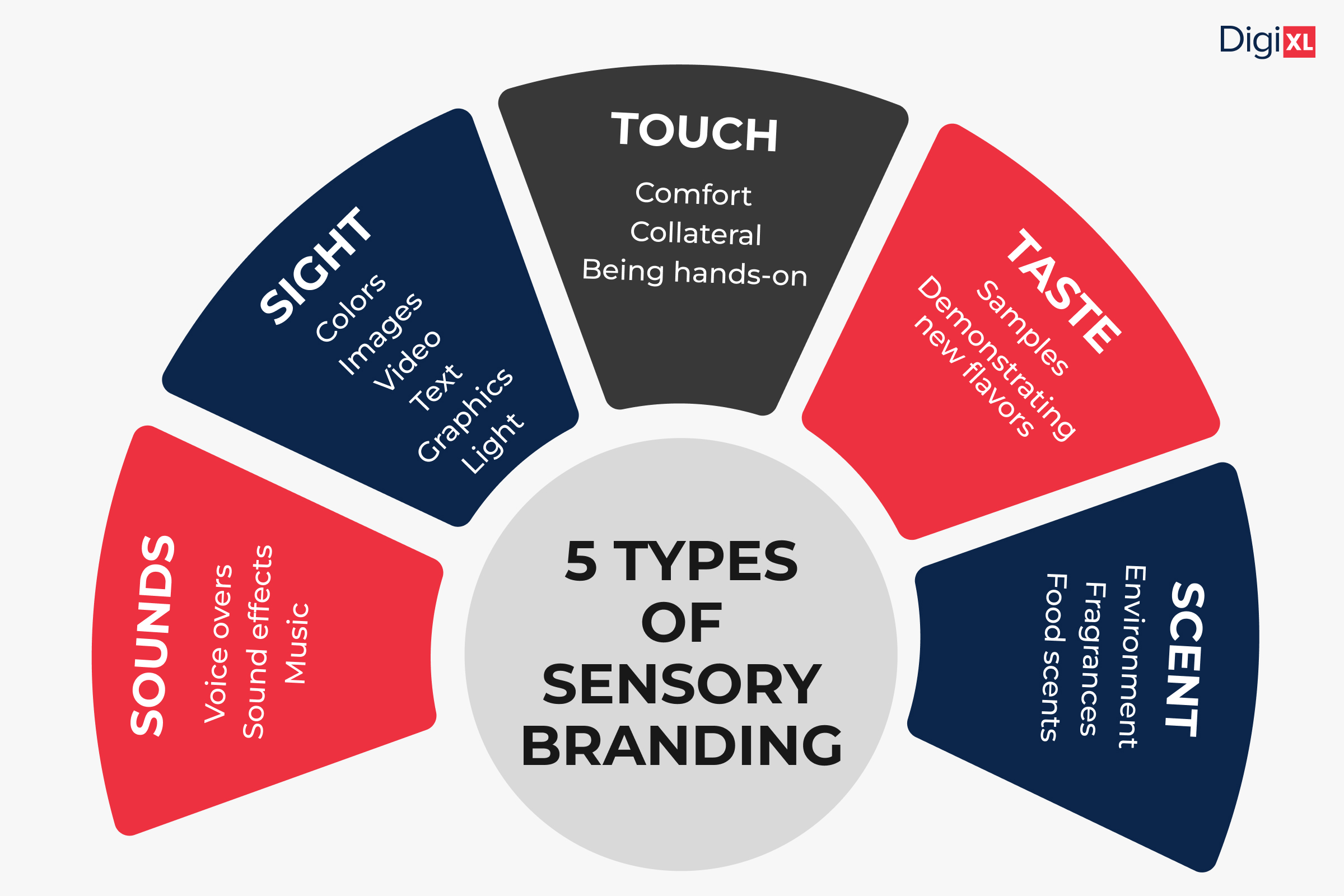
1. Visual Identity and Sensory Impressions
Sight drives the fastest perception. Colors, typography, aesthetic, spacing, packaging, and visual cues combine to create instant impressions.
1. Does Starbucks’ green and white palette feel comforting, and if so, why?
2. How does Tiffany Blue convey an instant feeling of luxury and exclusivity?
3. Visual cues shape perception before a single word is spoken.
For product brands, other senses matter too:
Smell
Home fragrance, beauty, skincare, and food brands build brand memory through scent. Customers associate scent with experience.
Think of Zara perfumes or Bath & Body Works.
Texture
A luxury product feels premium because texture communicates quality.
Taste
F&B brands rely heavily on brand perception built through taste associations.
Sensory memory deepens brand perception faster than ads.
2. Emotional Impressions
People buy based on emotion and justify with logic later.
A brand that makes them feel understood, inspired, comforted, or confident becomes memorable.
- Nike sells ambition.
- Dove sells self-acceptance.
- Airbnb sells belonging.
- A skincare brand sells hope and transformation.
- A fashion brand sells identity and expression.
Emotional resonance is the deepest foundation of brand perception.
3. Social Influence & Community Signals
Consumer trust has shifted dramatically. People no longer rely on brand-led messages alone. Instead, they lean on real experiences, relatable voices, and community-driven narratives that feel authentic and unfiltered.
Modern consumers trust:
People they follow
Creators and influencers who show up consistently earn familiarity. Familiarity builds trust. When these voices recommend something, it feels like advice from someone you already know.
People they relate to
Consumers gravitate toward individuals who mirror their lifestyle, problems, identity, or aspirations. relatability creates emotional proximity, and emotional proximity makes recommendations feel credible.
People who share UGC
User-generated content signals “real humans, real results.” It removes the glossiness of brand campaigns and shows products in everyday scenarios, which feels far more honest and believable.
Creators who look like them
Representation shapes trust. When people see creators who resemble them in appearance, background, or style using a product, it builds a sense of “this could work for me too.”
Niche community reviews
Micro-communities have become powerful taste-makers. Whether it’s skincare Reddit, BookTok, fitness Discords, or hyper-local WhatsApp groups, tight-knit communities influence purchase decisions more effectively than broad campaigns because the conversations feel intimate and specific.
Why Community Influence Now Beats Traditional Ads
Traditional ads rely on repetition. Communities rely on trust. And trust wins.
People believe real experiences over scripted messaging. The collective voice of communities now shapes perception, drives virality, and influences final purchase decisions more than any media budget ever could.
4. Storytelling and Brand Meaning
Brand meaning isn’t created by logos, taglines, or visual identity alone. It’s formed through the stories a brand tells and the emotions those stories evoke. Modern consumers look beyond products and seek brands with depth, intention, and narrative. This is where storytelling becomes one of the most powerful tools in shaping perception.
Where Brand Meaning Comes From
Origin stories
Every memorable brand begins with a “why.” How it started, the struggle behind the idea, the moment of inspiration, or the problem it set out to solve. Origin stories humanize brands and build emotional connection, transforming a business into something people can root for.
Founder values
Consumers increasingly want to know who is behind the brand. Founder beliefs, habits, personality, and worldview influence how people perceive the products they create. When founders are clear about what they stand for, customers feel aligned with the brand on a personal level.
Purpose-driven messaging
People choose brands that stand for something beyond selling. Purpose creates meaning. Whether it’s sustainability, accessibility, mental health, empowerment, or innovation, a clear mission helps customers feel part of something larger than a transaction.
Cultural relevance
Brands that align with cultural moments, behaviours, and conversations feel alive and current. From memes to movements, culture gives brands context. When done well, it signals that the brand “gets it” and understands the world its customers live in.
Social involvement
Engaging with communities, championing causes, supporting creators, or simply showing up where your audience is builds a sense of belonging. Social involvement makes a brand feel participatory rather than performative, which deepens trust.
5. Product Experience & Customer Support
Brand perception is shaped in moments most people don’t see but every customer feels. A great campaign can bring someone in, but the product experience is what decides whether they stay, return, or recommend the brand to someone else.
When the product works seamlessly and delivers what was promised, it strengthens trust without needing loud marketing. When it doesn’t, perception drops instantly because customers feel the gap between expectations and reality.
Customer support plays an equally powerful role. People usually reach out when something has gone wrong, which means emotions are already heightened.
One careless support interaction can undo years of carefully built perception because the customer interprets it as the brand not caring.
On the other hand, a single thoughtful support moment can completely shift how they see the brand and turn them into an advocate. These small interactions leave a deeper emotional imprint than most advertising ever can.
How to Measure Brand Perception
Measuring perception used to be guesswork. Today, AI and social media data offer detailed visibility into consumer sentiment.
Here are the most accurate, modern ways to measure brand perception.
1. Brand Perception Surveys
Surveys help you uncover how people describe your brand, how they perceive your strengths, where they see gaps, and how you compare to competitors. They also highlight the trust levels your brand holds in the market, which is one of the strongest indicators of long-term growth.
To measure perception accurately:
Ask open-ended questions like:
- “What do you think this brand stands for?”
- “What emotion does this brand make you feel?”
Ask comparative questions:
- “What makes us different from our competitors?”
- “What do you wish we improved?”
Ask sentiment-based questions:
- “How likely are you to recommend us?”
- “How much do you trust our brand?”
Surveys give clarity your internal assumptions can never provide.
2. AI-Powered Social Listening and Sentiment Analysis
AI-powered social listening is the most advanced and reliable way to measure brand perception today. Instead of depending on assumptions or delayed feedback, AI scans thousands of conversations happening in real time and uncovers what people genuinely think about your brand.
AI tools analyse conversations from multiple sources, including:
- Social media mentions
- Comment sections
- Online reviews
- Blogs and discussion forums
- Reddit threads
- YouTube comments
- Instagram conversations
- TikTok video comments
These platforms reflect the raw, unfiltered consumer voice, which makes them essential for understanding true perception.
What makes AI powerful is its ability to not just gather data, but interpret it. AI reveals:
- Overall sentiment (positive, neutral, or negative)
- Emotional language people associate with your brand
- Rising perception themes shaping your reputation
- Perception gaps between your messaging and consumer reality
- Patterns in complaints or praise
- Emerging opportunities based on new trends
- Competitive mentions and comparisons
All of this comes together to create a real-time Brand Health Score, a constantly updating snapshot of how your brand is perceived across the internet. It tells you whether sentiment is improving, declining, or stabilizing; consequently, it helps you respond to shifts before they escalate.
For example, a fast-casual restaurant chain uses AI-Powered Social Listening. The tool detects a spike in negative sentiment around the term ‘cold delivery’ and ‘missing items.’ This immediate, quantitative feedback therefore reveals a perception gap in their last-mile experience, allowing them to instantly audit and correct their delivery service protocols before a major social media crisis.
Similarly, if your brand sees increasing negative sentiment around “price,” you know perception of value is dropping.
If people associate your product with “gentle,” “trustworthy,” and “effective,” you know your positioning is strong. AI allows brands to see perception shifts instantly.
3. Focus Groups & Interviews
Focus groups and interviews uncover layers of perception that numbers alone can’t reveal. While surveys and AI tools show what people think, deeper conversations help you understand why they think that way. These sessions capture tone, emotion, hesitation, excitement, and the subtle cues that never show up in quantitative data.
Focus groups help you understand:
- What customers wish your brand offered
- What emotions your product or experience evokes
- What people think but don’t publicly post online
- Why they choose you over alternatives
- How they describe your brand to someone else
These insights expose the underlying beliefs, expectations, and emotional triggers shaping perception. They show the gap between what people say publicly and what they actually feel privately a distinction that often changes an entire brand strategy.
Qualitative insights like this bring meaning, context, and depth to your perception research. They help brands build strategies rooted in human behaviour, not just dashboards and metrics.
4. Review Mining and Direct Feedback
Reviews are the most unfiltered source of truth about your brand. They reveal real experiences, real frustrations, real praise, and the real gap between what you promise and what customers receive. When analyzed systematically, reviews offer a clear window into how people actually perceive your brand not how you hope they perceive it.
Review mining helps you uncover:
- Patterns in customer sentiment
- Consistent points of praise
- Persistent complaints
- What the real customer journey feels like
- Where perception diverges from expectation
One of the most valuable parts of review analysis is identifying recurring language. These repeated words or phrases become the anchors of your brand perception.
For example, if customers frequently say:
- “Smells great”
- “Feels lightweight”
- “Packaging looks premium”
These become positive perception drivers, the qualities your brand is known for.
But if you consistently see:
- “Too expensive”
- “Customer support is slow”
- “Texture feels sticky”
These reveal perception risks areas that weaken trust or satisfaction.
Direct feedback like this is honest, consistent, and highly actionable. It tells you exactly where your perception stands today and what needs to evolve to strengthen it.
How to Analyze Brand Perception
Measuring brand perception is only half the battle. To truly understand it, brands need a structured way to map how people move from first hearing about you to actively advocating for you. The 5-Layer Framework provides a clear lens for this journey, helping marketers pinpoint exactly where perception is thriving and where it may be breaking down.
1. Awareness: Are People Even Noticing You?
The first layer asks the most fundamental question: Do people know your brand exists?
Awareness is the foundation of perception, if no one has heard of you, nothing else matters. Tracking awareness involves measuring brand recall, reach, and visibility. Modern tools like social listening, search volume analysis, and survey-based aided and unaided recall studies can help you understand how well your brand is known in your target audience.
2. Association: What Do People Think About You?
Once people know your brand exists, the next question is: What comes to mind when they hear your name?
This layer focuses on mental shortcuts, impressions, and the words or feelings people connect to your brand. Associations could be functional (quality, reliability), emotional (trustworthy, aspirational), or symbolic (innovative, fun). Strong, positive associations make it easier for consumers to remember and prefer your brand in decision-making situations.
3. Evaluation: Do They Believe in Your Brand?
Awareness and associations are valuable, but perception is truly tested during evaluation. This stage answers: Do people believe your brand is high-quality, trustworthy, and reliable?
Evaluation can be measured through trust scores, net promoter scores, customer satisfaction surveys, and sentiment analysis. It reveals whether your positioning aligns with reality whether the promises your marketing makes are actually reflected in customer perception.
4. Experience: How Does Interaction Shape Perception?
Evaluation alone isn’t enough; perception is reinforced or undermined during real experiences. This layer asks: How do customers feel after interacting with your brand?
Every touchpoint, website navigation, product usage, customer support, delivery, packaging contributes to perception. Positive experiences build trust and loyalty, while negative experiences can rapidly erode confidence, even if awareness and association are strong.
5. Advocacy: Are Customers Speaking on Your Behalf?
The final layer measures whether perception has matured into action: Do customers recommend you, defend you, or speak positively about your brand?
Advocacy is the ultimate indicator of strong perception. Loyal customers who share their experiences become brand amplifiers, generating word-of-mouth marketing that is far more persuasive than paid campaigns. Metrics here include referral rates, social sharing, review activity, and community engagement.
Why This Framework Works
By analyzing perception across these five layers, brands can:
- Identify gaps: Where awareness exists but evaluation is weak, or where experience undermines positive associations
- Pinpoint strengths: Which aspects of the journey are building trust and loyalty
- Prioritize actions: Whether to invest in marketing, product improvements, customer experience, or advocacy programs
The 5-Layer Framework transforms perception from an abstract concept into actionable insights, helping brands understand the journey from first exposure to long-term advocacy and ensuring perception is consistently nurtured at every stage.
How to Improve Brand Perception
Improving brand perception isn’t just about flashy campaigns or clever slogans. It’s about aligning every touchpoint with the perception you want people to have.
From visual identity to customer experience to storytelling, every action influences how your brand is remembered, discussed, and recommended. Here’s a comprehensive guide to turning perception strategy into execution.
1. Build a Consistent and Recognizable Visual Identity
Consistency is the foundation of memorability, and memorability builds trust. Your visual identity must remain coherent across every channel:
- Packaging
- Instagram feed and social posts
- Ads and campaign creatives
- Website and app design
- Emails and newsletters
- Reels and video content
- Print materials
A visually consistent brand signals reliability and professionalism. When people recognize your brand instantly, perception strengthens naturally, because familiarity breeds trust.
2. Use AI to Track Perception Gaps and Opportunities
Here are the most popular and powerful AI tools used for this purpose:
Leading Social Listening & Sentiment Platforms:
These platforms ingest data from social media, news, blogs, and review sites, using AI to categorize and analyze public opinion.
| Tool Name | Key AI Feature for Perception Gaps | Best For |
| Brandwatch | Iris AI for deep sentiment analysis, trend detection, and real-time alerts on conversation spikes or sentiment shifts. | Comprehensive social listening, reputation management, and competitive analysis across the web. |
| Talkwalker | Advanced Sentiment Analysis and visual recognition (for analyzing logos/brands in images) to give a holistic view of perception across channels. | Identifying emerging trends, crisis monitoring, and gaining insights from unstructured data. |
| Sprinklr | Modern Research platform unifies data from social media, forums, and blogs with sophisticated sentiment detection. | Large enterprises needing to manage and analyze perception across numerous, disparate digital touchpoints. |
| Sprout Social | AI-powered Listening and granular sentiment analysis. It helps track competitor sentiment to spot perception gaps where your brand can differentiate. | All-in-one social media management, engagement, and detailed sentiment tracking. |
| Meltwater | Uses AI to monitor public opinion and news sentiment, helping to track the tone of media coverage and identify emerging narratives. | PR, media monitoring, and understanding the traditional media’s influence on brand perception. |
Data-driven insights are essential to improving perception in a measurable way. AI tools help you understand:
- Negative sentiment spikes and why they happen
- Topics and emotions associated with your brand
- Customer needs and emerging preferences
- Whether campaigns are effectively shifting perception
- Competitive sentiment and market positioning
AI ensures your perception strategy is proactive, not reactive, and allows you to respond to challenges or opportunities in real time.
3. Improve Product Experience and Customer Journey
No amount of branding can compensate for a poor product or experience. Every touchpoint matters, including:
- Fast and empathetic support
- Clear and transparent communication
- Smooth delivery and fulfillment
- Simple, hassle-free return policies
- High-quality packaging
- Easy-to-use website or app interfaces
- Personalized follow-ups after purchase
Each interaction either reinforces or undermines perception. Brands that excel in experience consistently earn higher trust and loyalty.
4. Leverage Creator Marketing and Community Content
Creators humanize your brand and bring authenticity that branded messaging cannot replicate. Effective approaches include:
- Partnering with micro-influencers and niche creators
- Highlighting real customer reviews and testimonials
- Using creator-led storytelling to share experiences
- Amplifying user-generated content across channels
These strategies spread trust through human voices, making perception feel earned and genuine rather than marketed.
5. Strengthen Brand Storytelling
Stories are how perception sticks in the minds of your audience. Focus on narratives that communicate:
- Your mission and values
- Your founder’s journey
- Customers’ experiences and transformations
- Product vision and innovation
- Brand evolution and milestones
Stories don’t just sell products they shape the emotional and cultural meaning of your brand in consumers’ minds.
6. Build Social Proof Across All Touchpoints
Social proof is one of the fastest ways to boost perception. People trust what others validate. Use:
- Reviews and testimonials
- Before-and-after examples
- UGC (user-generated content) videos
- Influencer highlights
- Customer success stories
When potential customers see others enjoying and recommending your brand, it reinforces credibility and trust instantly.
7. Communicate With Transparency and Honesty
Customers value honesty more than perfection. Strong perception relies on trust, and trust grows when you are transparent:
- Address issues openly when they arise
- Explain what went wrong and why
- Take corrective action promptly
- Follow up to ensure satisfaction
Transparent communication turns mistakes into opportunities to strengthen relationships. A brand that admits imperfections and fixes them earns lasting loyalty.
Shape, Build, and Boost Brand Perception with DigiXL Media
In the age of social media, perception is your greatest asset and your biggest risk. You can’t afford to guess what the audience thinks. The collective voice of consumers now dictates market success, making real-time insight essential.
By leveraging the 5-Layer Framework and AI-driven social listening, you can move beyond guesswork and turn audience chatter into a predictable growth engine.
DigiXL Media specializes in turning perception data into powerful action:
- Measure your Brand Health Score with AI and track sentiment shifts.
- Align your product experience with the perception you want to own.
- Amplify your reach and trust through strategic creator-led campaigns.
If you want your brand to be remembered, respected, and recommended, the perception you build today will decide your growth tomorrow.
Ready to move from guessing to knowing?
Want to start measuring your real-time Brand Health Score and identify your biggest perception gaps? Visit DigiXL Media for more information!